Ad

Parenting Tips - Pre-schooler’s


Pre-schooler’s


Next stop school 


• Before children go to school they have learned many things which give them a good start. 


• To give your child a good start make sure you: 


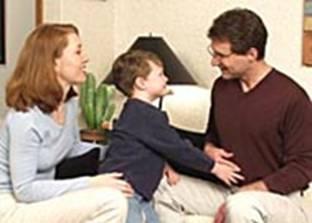
• talk with them so they learn how people take turns to speak and listen
• listen to them and let them know they have good ideas

• read with them so they learn how to hold a book, which way the words go on the page, that letters make up sounds and words and that there are many reasons why people read
• take them on walks around the streets, to meet their friends and to know their community

• encourage children to play with others so they learn to share, take turns and play games. 


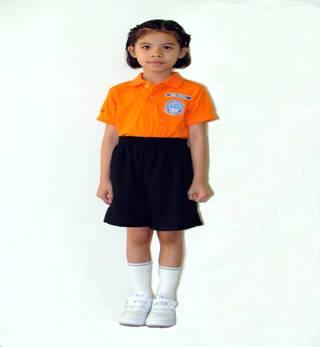
• Children in Western Australia go to school in the year they turn six. Most children will have had other group experiences before this. 


• Children are ready for school when they: 


• are happy for you to leave, although sometimes they may cry
• are confident when you aren't around
• will cooperate with other adults

• have had social experiences with other children
• remember simple instructions and follow them through
• will ask for help if they need it

• can go a whole day without a morning or afternoon sleep
• can dress and undress with ease
• like to join in

• can cope with structure
• can organize basic things for themselves.


• You are your child's first teacher. The way you feel about school will affect how they feel. Try to keep positive and hopefully they will feel positive about school too. 


Primary schooler’s


Overview


• Children usually go to primary school between six and 12 years of age. This is when they build on, and improve, their previously learned skills. They make friends and are interested in the world around them. 


• They are becoming independent and enjoy responsibilities and challenges they can manage. 


Primary schoolers  http://www.taiahom.com/


• Their social skills are improving. They often enjoy playing with small groups of three or four children.
• Their physical skills are are improving. They may be very interested in several kinds of activities. 

• They begin to develop hobbies and specials interests and learn a lot this way.
• They enjoy helping at home and doing family things like going on picnics and visiting relatives.

• Often children in this age group can develop one or two special friends of the same sex. Friendships with people of other ages and sex are also important to them. They like learning about their neighbourhood and may be particularly fond of a pet animal. 

• Activities such as cooking, bike riding, cubbies, lego, reading, TV, sport, chasey and making things are all popular. Many of these things are fun to do together.
• Children learn and develop at different rates, try not to compare children and/or siblings.


Parenting Tips - Pre-schooler’s


Pre-schooler’s


Talking 


• Preschoolers are learning about words and meanings. Their language development happens in bursts. 


• They like to play and experiment with words and they need time to use and practice both. 


Talking  http://www.taiahom.com/


• Talking about things the preschooler can see, touch, taste, smell and feel will help them connect words to real things. 

• You can be a model for your children by discussing and living according to your own beliefs and values. But remember, children grow and their views may change with age and experience. 


• Talking involves many skills like: 

• paying attention to the speaker and listening to the words
• understanding what has been said
• thinking about an appropriate response
• forming words and saying them
• waiting and checking that the other person has understood.


• We do many of these things automatically, without thinking about them. Breaking down these skills into smaller steps can help. 


For example to help a child listen you can: 

• say 'listen now'
• get down to their height so their face is level with yours
• stop, look and listen to them when they talk to you.


• To help them understand you can: 

• get them to tell you in their own words what you said
• keep your sentences short
• use the word 'like': 'It is like ....'
• help them remember past things: 'What does it remind you of?'


• To help them give an appropriate response you can: 

• wait and give them time to answer
• smile, nod and give them encouraging signals
• say 'I'm listening'.


• To help them with their speech you can: 

• speak clearly
• repeat back to them what they have said.


• To help them wait for a response you can: 

• say 'Wait while I think about my answer'
• slow down your speech.


• If you are worried about your child's progress check with your doctor or child care professional. 


Parenting Tips - Pre-schooler’s


Pre-schooler’s


Bedtime routines


Different families have different bedtime routines. What time children go to bed and how they do it depends on: 


• the age of the children
• the family's routines
• the family's culture.


Bedtime routines


• Some children go to sleep easily and happily, some don't and this can be for a whole range of reasons.
• Preschool children need long, uninterrupted sleeps - about 10 hours a night is common.

• A bedtime routine helps children relax. Dinner, bath time, stories and a special, quiet time with parents are all parts of a routine. Have a drink or food an hour or so before bed if necessary and a last trip to the toilet before being tucked in. 

• Many preschoolers are ready for bed around seven o'clock. A consistent bed time is important and leaves you time for yourself or for the rest of your family. 


Pre-schooler’s


Values 


• Children are not born knowing what is acceptable and unacceptable. They watch how you behave and how you treat them and others. 


• By visiting other people and their homes children discover that different people have different rules and views. Making them aware of these different beliefs and values and how these relate to your own can be a good idea. 

• In the end children decide their own standards of behavior. These develop from: 

• adult approval and disapproval of behavior
• growing self control
• being aware of other people's feelings

• wanting to be like their parents
• a growing understanding and use of words
• understanding cause and effect

• learning what behavior is allowed in the family
• Family conversations.

• By about the age of seven most people expect children to know what is acceptable and what isn't and to act accordingly. 

• You can be a model for your children by discussing and living according to your own beliefs and values. But remember, children grow and their views may change with age and experience. 


Parenting Tips - Children Pre-schooler’s


Pre-schooler’s


Overview


• Children aged three to five years are all different in what they can do and what interests them but they all develop along a common path. 

• This age is a time of growing independence and learning - to use their bodies, talk, understand and make things. They are busy, active people. 


• At this age children's minds are like sponges. By the time they go to school they will have formed their own personality and ideas about life and learning. 


Most children of this age: 


PRE SCHOOL'S   http://www.taiahom.com/


• learn through their senses, like to smell, touch, taste, see and feel things
• can hold a conversation with you
• form ideas about how the world works
• are curious about everything 

• need to move
• want the company of other children
• are interested in others 

• like to make things
• play games with friends
• want to know how to look after themselves
• like to join in and do what you do 

• revert back to toddler like behaviour (thumb sucking, crying, hitting, baby talk) when they are shy or upset, especially in new situations.

• Many children of this age like to go to child care, play group, kindergym or kindergarten/preschool. 


Pre-schooler’s


Eating


• Preschoolers are curious about the world but sometimes suspicious of different foods. They will eat different amounts, at different times and in different ways.


Eating   http://www.taiahom.com/


• Eating is about how, what, when and why we eat. Meal times can be a sharing time for families, helping each other to foods and learning about nutrition and table manners. 

• You should decide the best way for your family to have meals and then establish this as a routine. For example, do you sit down together, have the television on and what manners are acceptable?

• Different families eat different things and children learn to like most of the foods their family eats. 

• Preschoolers may go through a 'fussy' time. Most children like sweet things and some children are allergic to certain foods. 

• Some vegetables are often disliked so try alternatives rather than forcing them to eat what they don't like. Tell them taste buds change as they grow. Suggest they might like to try the disliked food again in a year - they may then find they like it. 


Parenting Tips - Babies Protection


Babies


Talking with baby


Before babies can talk they have a lot to learn

• They learn that a word has a meaning. 

• A word is made of sounds. 


• Sounds are made with the mouth.
• The way you hold your mouth, teeth and tongue affect the sounds you make.
• Babies have to put all this together to make a sound someone will understand!


Talking with baby   http://www.taiahom.com/


• Words are our way of telling people what we want and need. The more words your child has, the less need there will be to cry, shout and squeal. It is frustrating not to be able to express feelings.

• Babies usually understand more than they can say.  

• Words help children communicate and share activities with other people. They help us share thoughts and ideas.
• At first babies only understand the tone of your voice and the feeling it gives them. Soon they understand words like 'mum', 'dad', 'hug', 'no!', 'yes'.


You can help your baby learn to talk by: 


• playing sound games; for example say 'Bah!' when your baby says 'Bah!'
• pretending to understand what your baby is trying to say; for example when baby says 'Bah!' you might ask 'Blanket? Do you want your blanket?'

• playing simple games like peek a boo, which babies love, where you cover your face with your hands, then drop them and say 'Boo!'
• touching and naming body parts - 'baby's mouth, mummy's mouth', 'baby's nose', mummy's nose'

• using baby's name in all kinds of activities 

• talking about what you are doing with and for your baby 

• having 'conversations' where you take turns to make sounds 

• singing songs and saying nursery rhymes. 


Babies


Playing


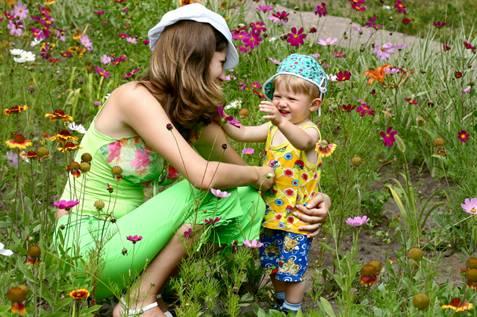
• Babies learn to understand their world by playing. When babies play they explore and discover what's around them and what they can do. 

• Babies play by looking, touching, tasting, smelling and hearing everything that goes on around them. 


Playing  http://www.taiahom.com/


• Make sure your baby can't reach things that are dangerous. Babies, at the stage of grasping and holding objects, try to put everything into their mouths. Don't worry, this is normal - they learn through taste and touch. Give your baby safe, large things they can taste and chew but not swallow. Clean toys regularly. 

• Playing with babies is a fun part of being a parent. 

• When older babies crawl they need plenty of space so they don't knock into things. You'll need to keep an eye on them because they can move quickly. 

• A lot of time is spent each day nappy changing, bathing and feeding. Make these everyday tasks fun by playing, talking and singing to your baby while you do them. 

• Parents are the best playmates babies have! Babies will play if they feel safe and are given encouragement.


Babies


Protection


Protecting the Child from Injuries


1. Parents should keep an eye on the child's activities and also have knowledge about the mechanism of all the toys with which it plays . 

2. The interior decoration of the house should be done in such a way that the child does have any difficulty to move around freely. 


3. All the belongings of the child specially its toys should be kept within his reach so that it does not have to climb or make any kind of special efforts to get it which further might cause any injury to the child. 

4. All the furniture should have rounded corners and edges. 

5. Children should not be allowed to go on roads all alone unless or until the parents are quite sure that they will be able to save themselves from the rashly driven vehicles. 

6. They should be kept away from the fire and also precaution should be taken while handling electronics/electrical goods. 

7. However , while protecting a child from all the above mentioned dangers the parents should always bear in mind not to be over cautious and over protective towards the child which in the long run, proves to be harmful for the child as over protection makes a child very much dependent and prevents him from being adventurous.

www.TaiAhom.com © all rights reserved
made with by 𑜋𑜈𑜫 𑜑𑜦𑜧 ‌‌𑜉𑜨𑜃𑜫 ‌‌𑜄𑜦𑜡 𑜇𑜥‌‌ ‌ 𑜀𑜦𑜧